



Have you noticed how many products online now feel strangely interchangeable?
The same packaging trends.
The same buzzwords.
The same ingredients.
The same “viral” positioning.
The same aesthetics.
Scroll through enough beauty content and it can start to feel like one endless stream of near-identical products competing for attention.
This isn’t accidental.
Modern online marketplaces increasingly reward familiarity.
Algorithms are designed to identify what’s already performing well. And once something performs well, countless brands rush to create similar versions.
Because replication is often safer than innovation.
Today, brands have access to enormous amounts of market data.
They can analyse:
- trending searches
- popular keywords
- best-selling products
- viral social content
- consumer engagement patterns
This can help companies understand what consumers want.

But it also creates powerful incentives to imitate what’s already succeeding.
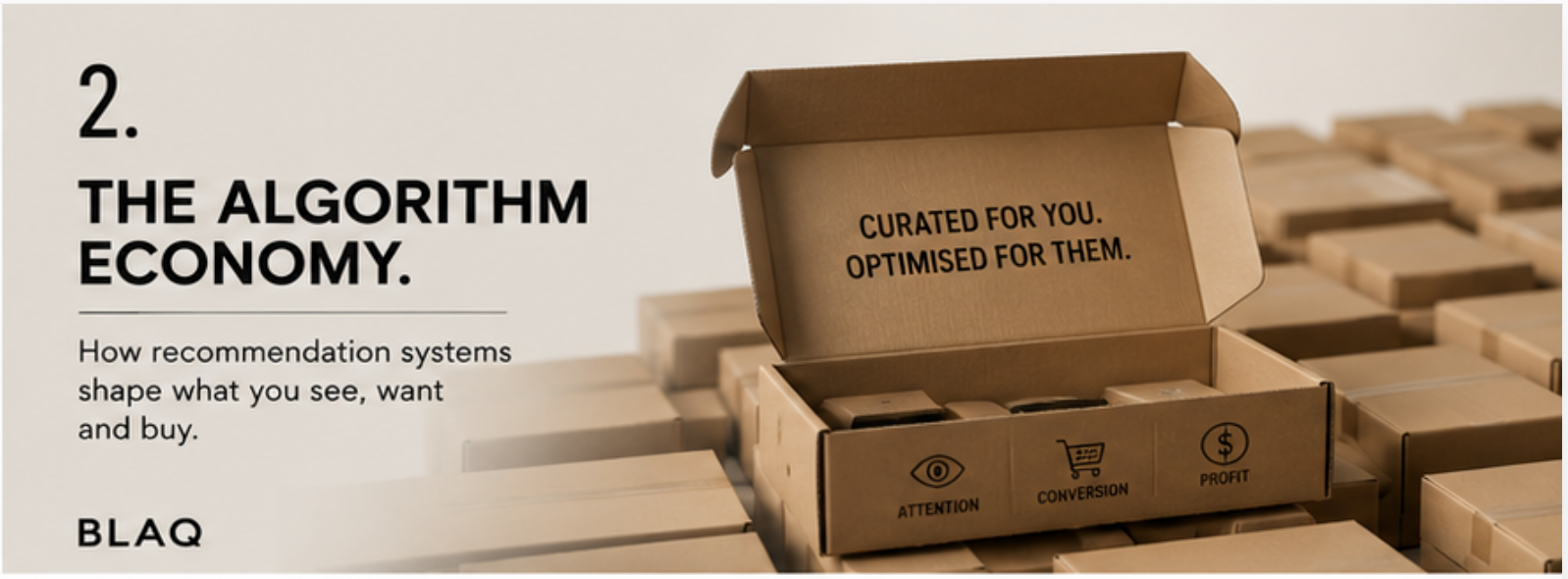
Over time, algorithms can unintentionally create a feedback loop:
Trending products gain visibility.
Visibility drives sales.
Sales attract imitators.
Algorithms reward familiarity.
Consumers see more of the same.
Eventually, the internet begins optimising toward sameness.
The safest products for algorithms are often the products that already resemble what’s already working.
That can make genuine innovation harder to find.
Consumers increasingly feel this fatigue.
Every week brings:
- another viral product
- another “miracle” ingredient
- another copycat trend
- another wave of lookalike products
And ironically, the more products consumers see, the less meaningful discovery many people actually experience.
At the same time, brands are increasingly competing not only on product quality or innovation - but on visibility.
In many online marketplaces, products compete for:
- sponsored rankings
- advertising placement
- keyword positioning
- recommendation visibility
- algorithmic performance
Consumers often see the final price. They rarely see the system behind it.
When a product sells online, significant portions of that price can go toward:
- marketplace fees
- advertising systems
- fulfilment costs
- shipping
- promotions and discounts
- sponsored visibility
Which raises an important question:
How much is actually left to invest in formulation, ingredients, innovation, and long-term product quality?
As competition for attention intensifies, many brands face growing pressure to optimise for visibility and conversion rather than thoughtful differentiation.

And when algorithms increasingly reward familiarity, replication can become safer than originality.
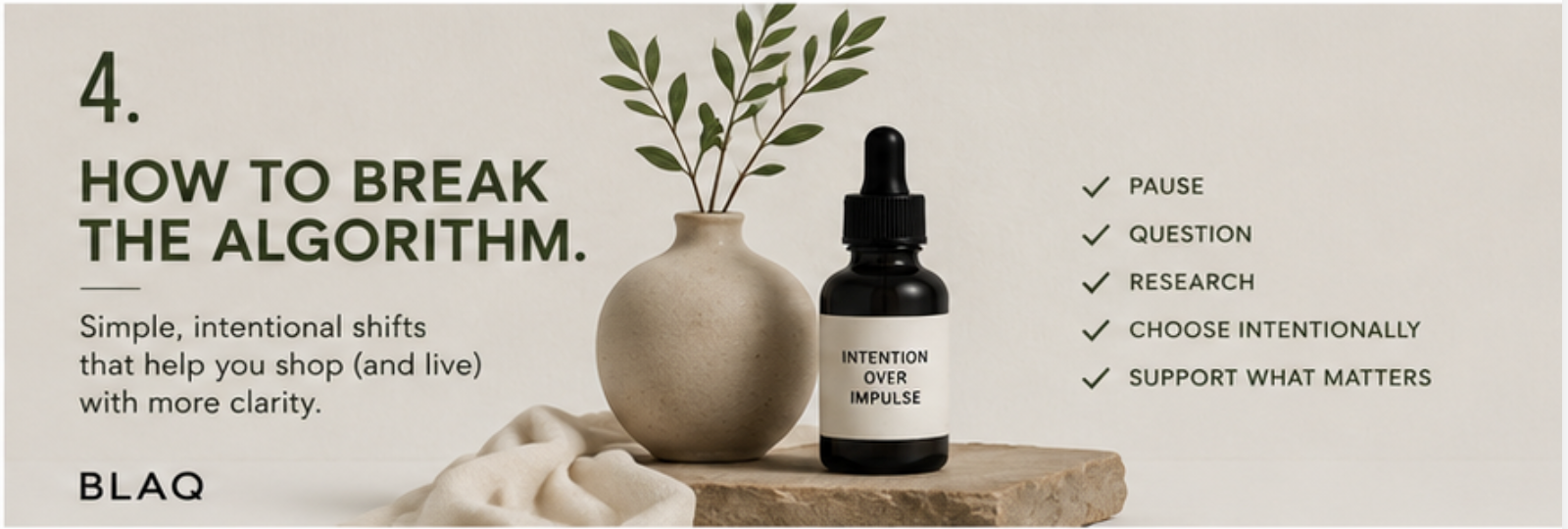
This is one reason intentional shopping matters.
Not every purchasing decision needs to happen instantly.
Not every recommendation deserves trust.
Not every trending product deserves attention.
Sometimes the best products aren’t the loudest.
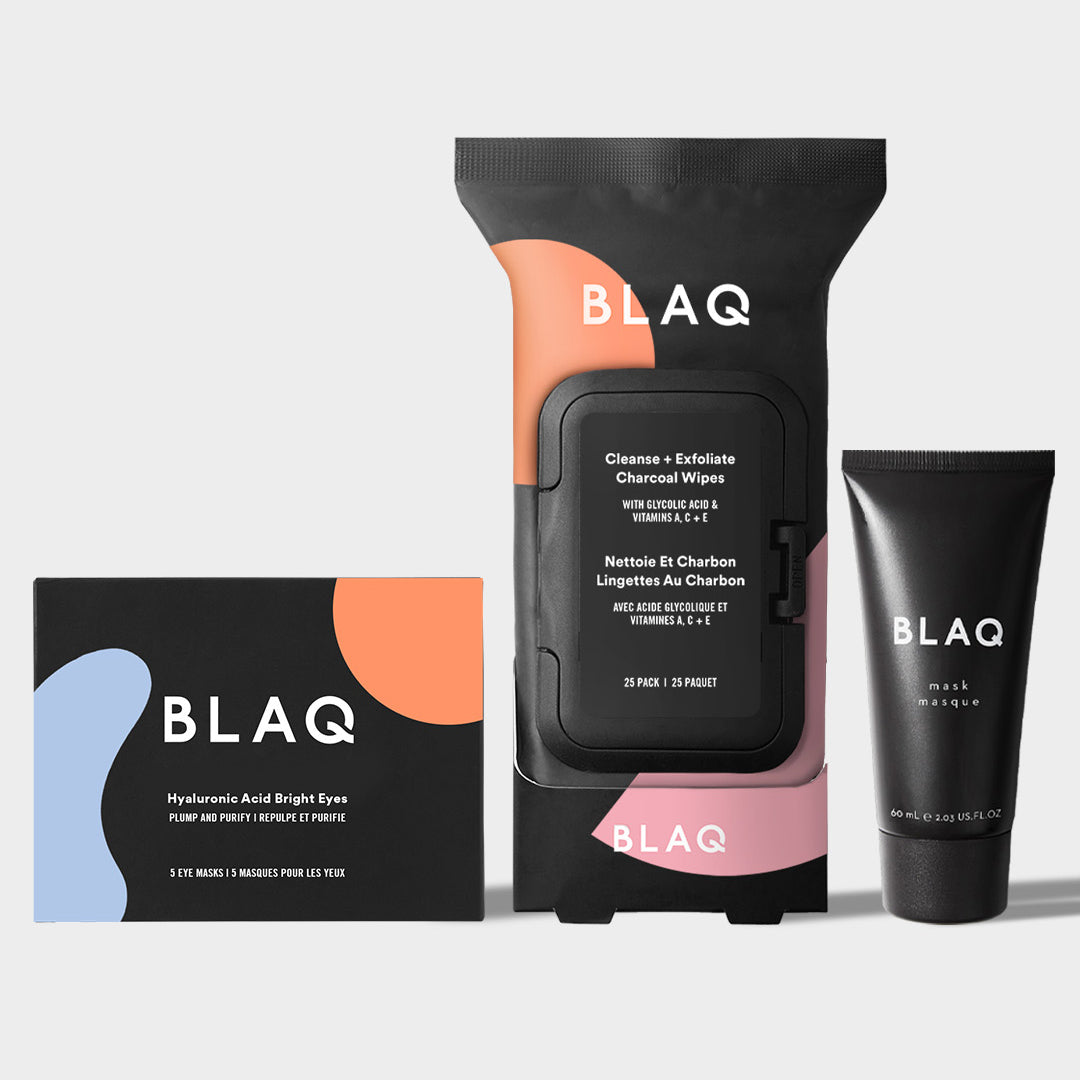
At BLAQ, we believe thoughtful skincare should feel personal. Not algorithmically generated.
Because innovation should come from understanding skin. Not simply understanding search rankings.